Tag Archives: System Architecture
The UUID Primary Key Problem That Shows Up at 200 Million Rows
A primary-key lookup can still become expensive when random UUIDs, cache pressure, and table layout collide. Here is how to diagnose the evidence before changing your schema.
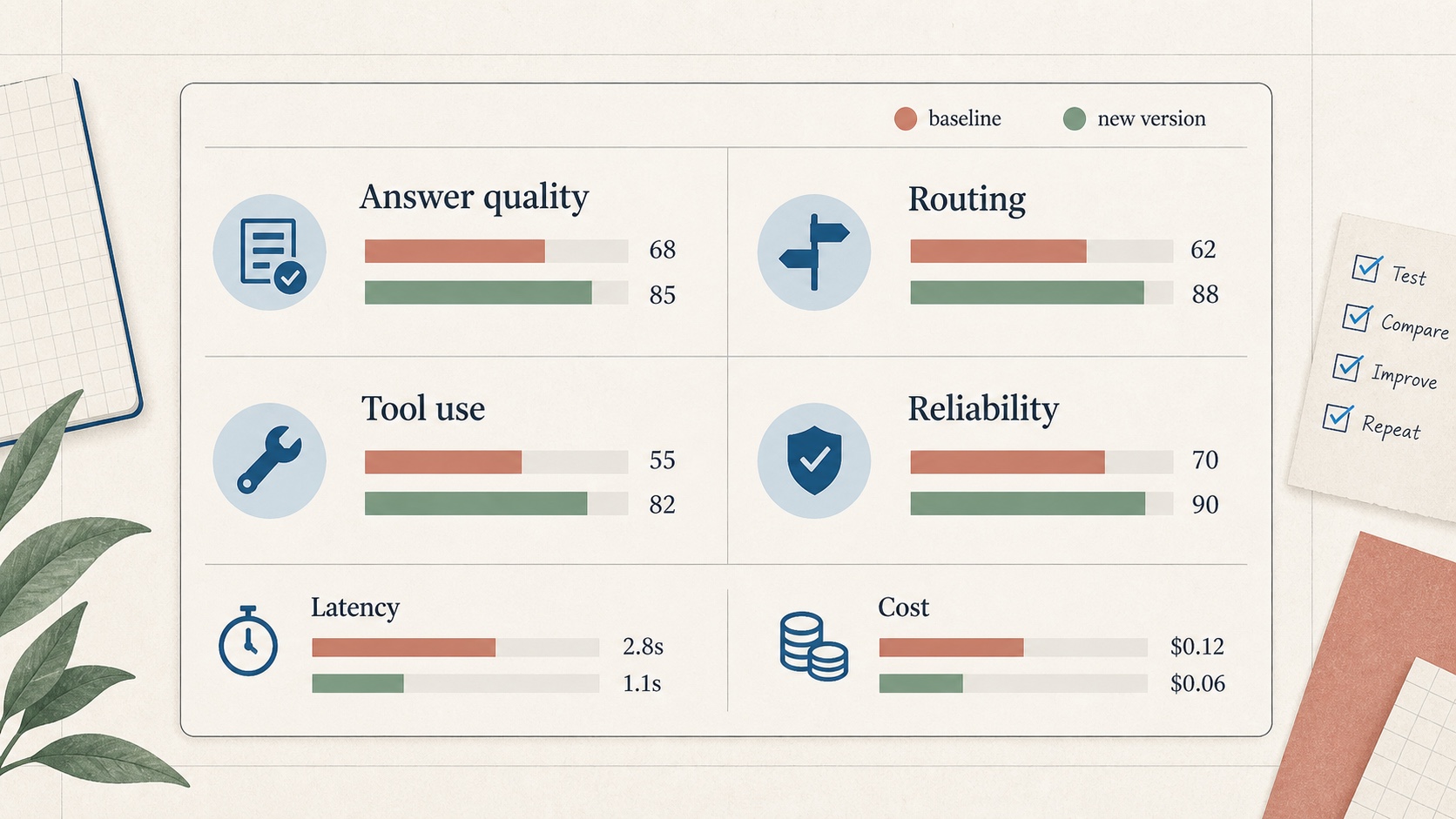
Build an AI Agent Evaluation Flywheel That Improves Prompts
A five-stage evaluation flywheel for turning AI agent traces into evidence-backed prompt improvements, without treating final answers as the whole story.
Why Final-Answer Evals Leave AI Agent Failures Invisible
A correct final response can hide failed tool calls, broken constraints, and bad state changes. Learn why AI agent evaluation must score the full trajectory.
TurboVec: What This Rust Vector Index Is and How to Evaluate It
TurboVec is a Rust-based vector index with Python bindings built on TurboQuant. This article explains what the project claims to be, where vector compression fits, and what developers should verify before adopting it.
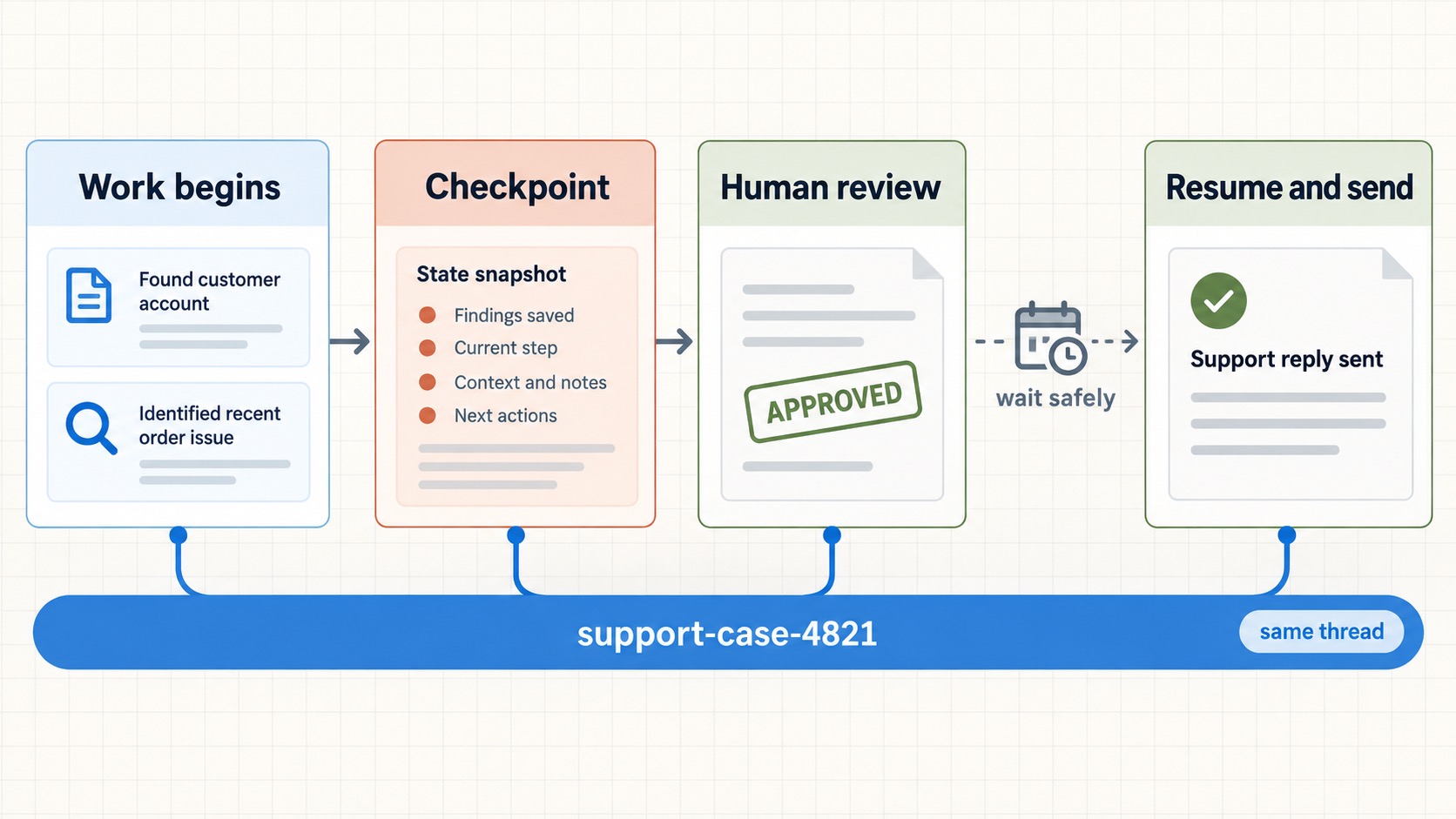
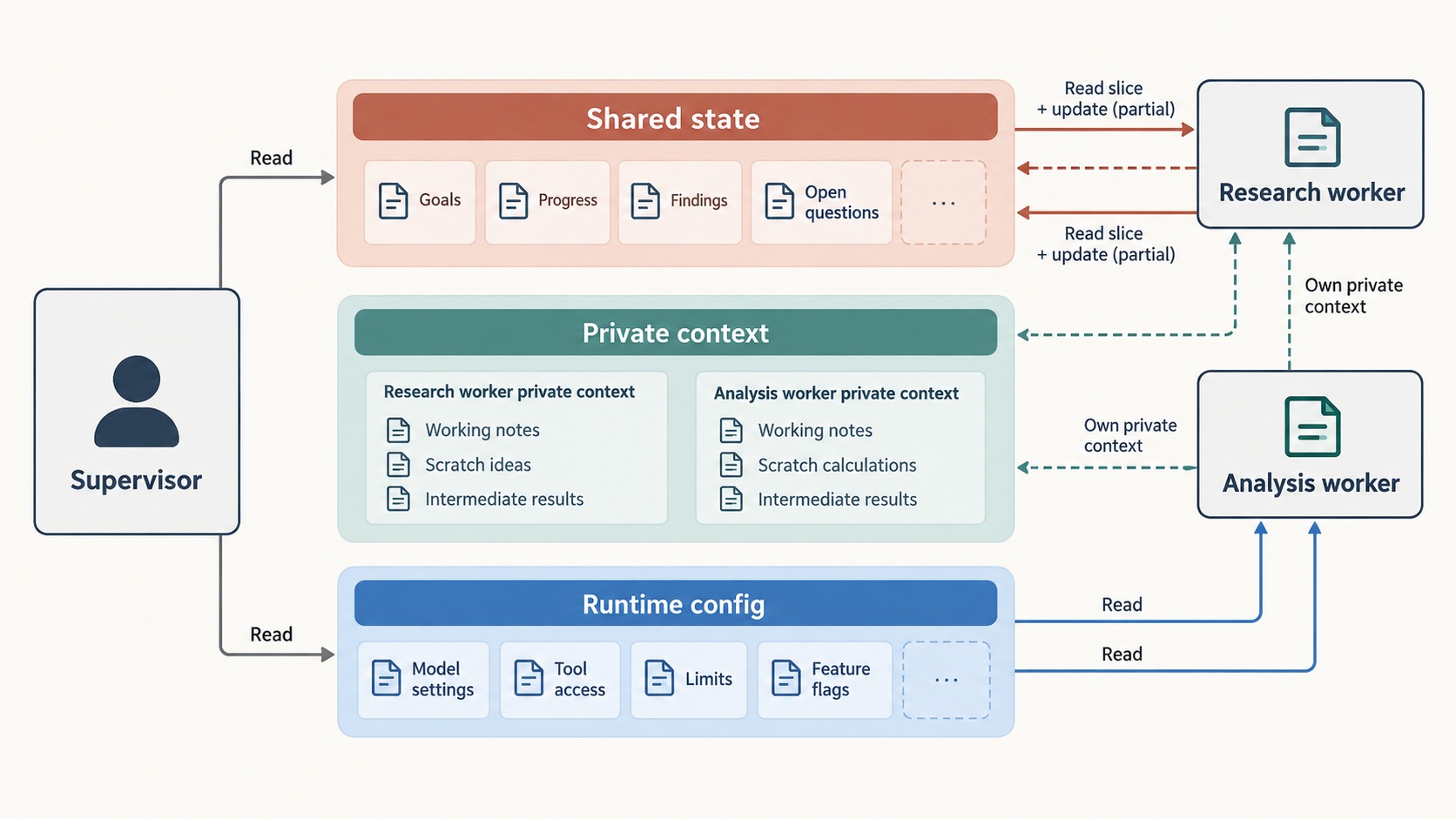
Multi-Agent Systems: Your Guided Learning Path
A beginner-friendly roadmap to understanding multi-agent systems, from the essential concepts to coordination, guardrails, and deciding whether to build one.
Clean Architecture: Where SOLID, DDD and Event-Driven Systems Fit
Clean Architecture is not a framework or a checklist. This practical guide shows how SOLID, domain-driven design and events can work together—without turning a straightforward application into an over-engineered maze.
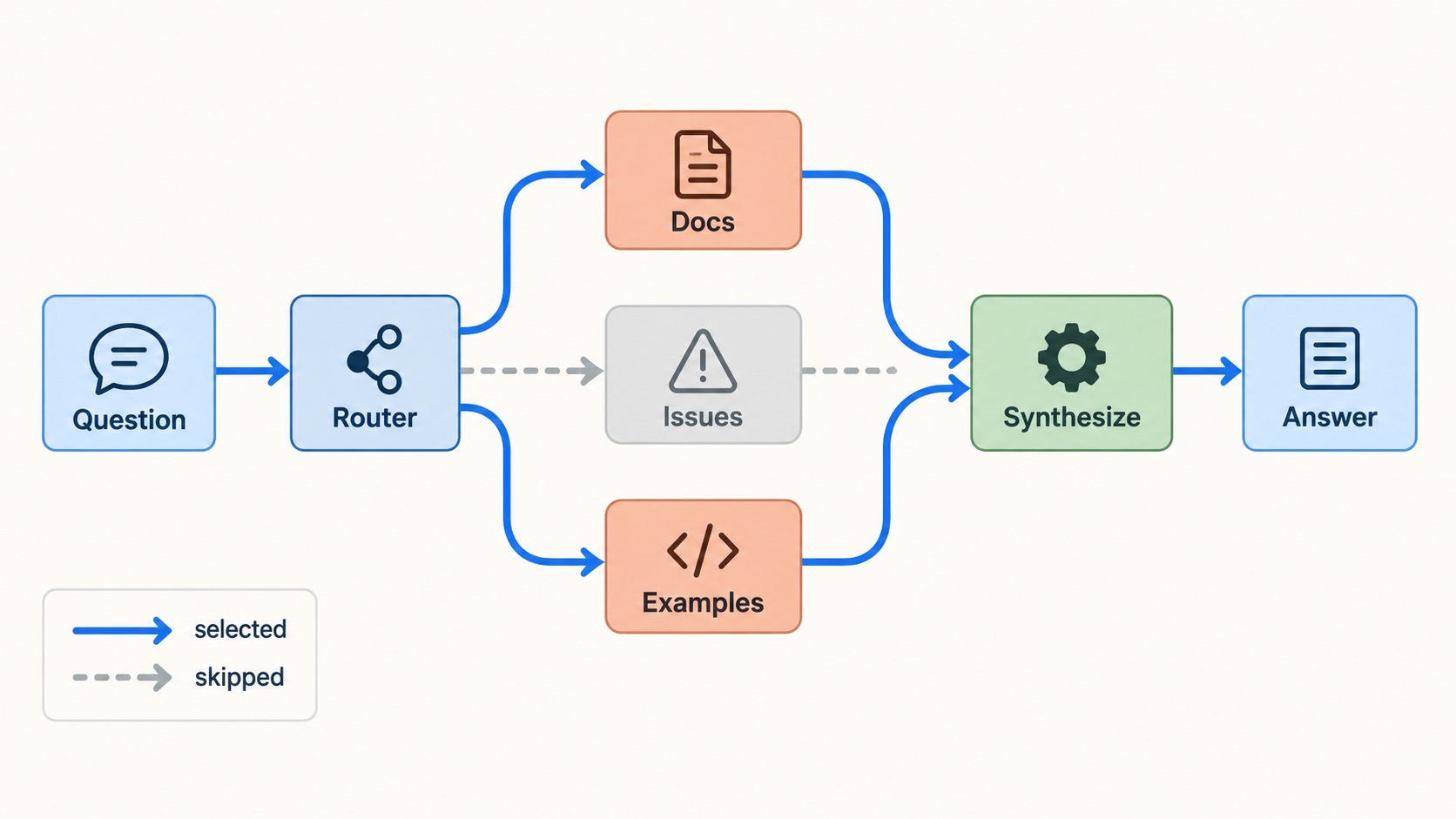
Context Engineering for AI Agents: Memory, Retrieval, and Token Budgets
A practical framework for developers building AI agents that need the right context at the right time—without drowning the model in stale history, irrelevant documents, or runaway token costs.
From Keystroke to Interactive REPL: An Architecture Deep Dive into Claude Code’s Boot Sequence
When you type claude into your terminal, there is a highly sophisticated Claude Code boot sequence that springs into action before you even see the first prompt. By understanding this pipeline, developers can better reason about startup latency, debug initial launch behaviors, and appreciate the careful parallelism engineered to keep time-to-interactive incredibly low. (Looking to explore more AI tools? …