
Category Archives: Artificial Intelligence
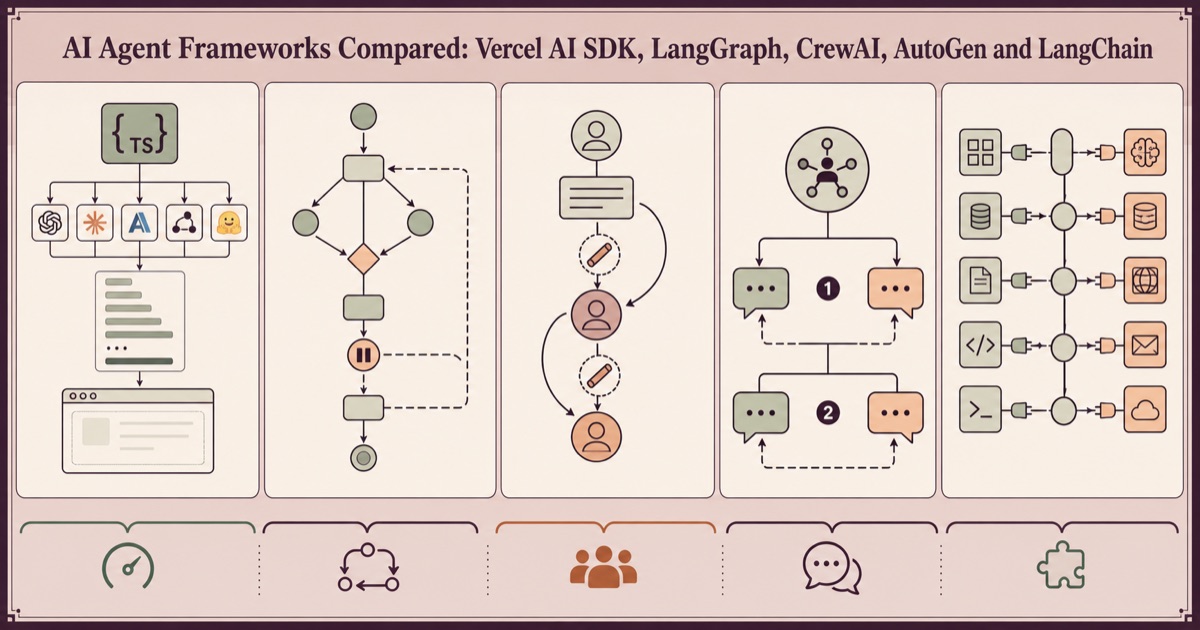
AI Agent Frameworks Compared: Vercel AI SDK, LangGraph, CrewAI, AutoGen and LangChain
A practical, source-led comparison of five AI frameworks. Choose from your application architecture, streaming needs, and agent workflow rather than a universal ranking.
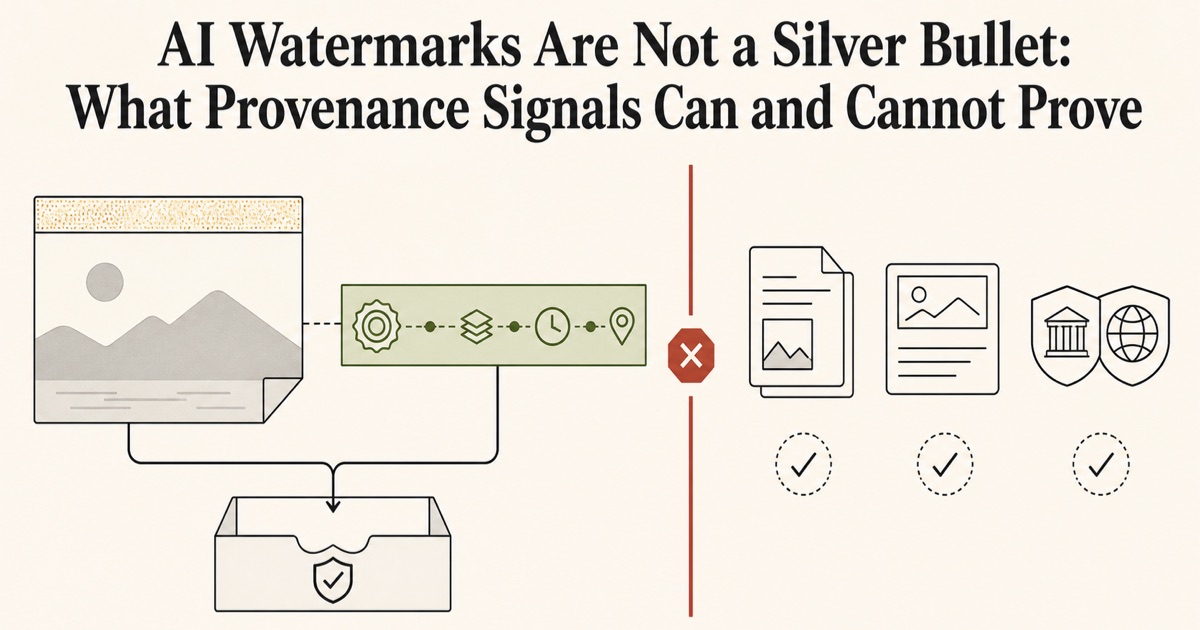
AI Watermarks Are Not a Silver Bullet: What Provenance Signals Can and Cannot Prove
C2PA metadata and embedded signals can offer helpful evidence about an image’s origin. They cannot, on their own, prove that an image is accurate, legally owned, or shown in the right context.
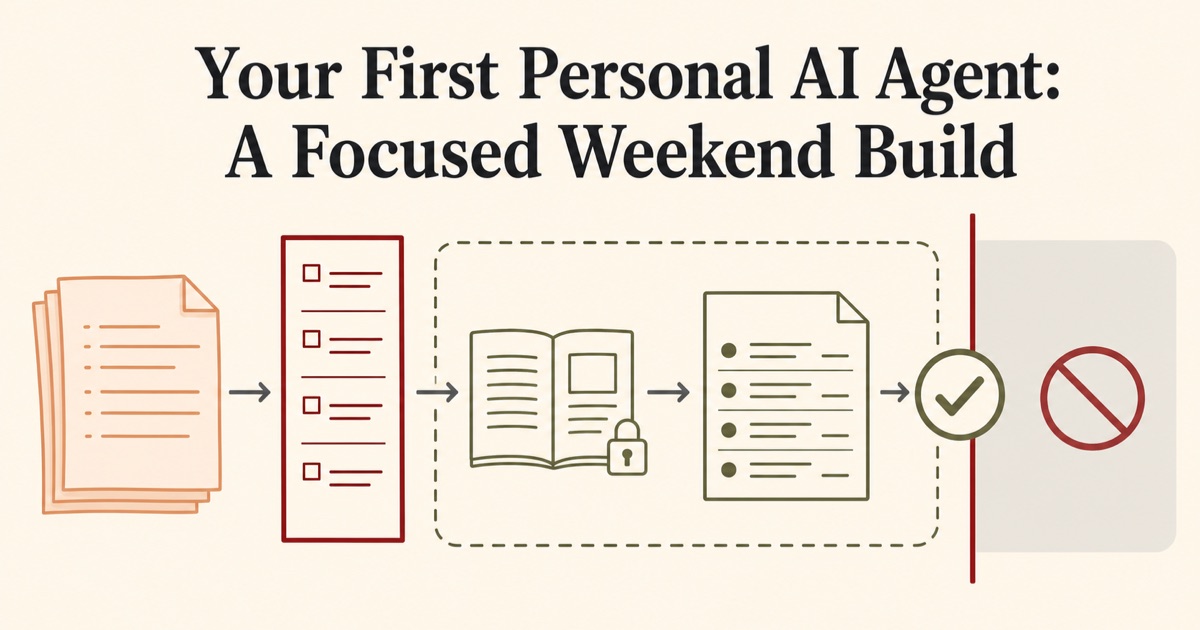
Your First Personal AI Agent: A Focused Weekend Build
Build a small, reviewable AI workflow in a couple of hours by giving it one narrow job, clear boundaries, and a human approval step.
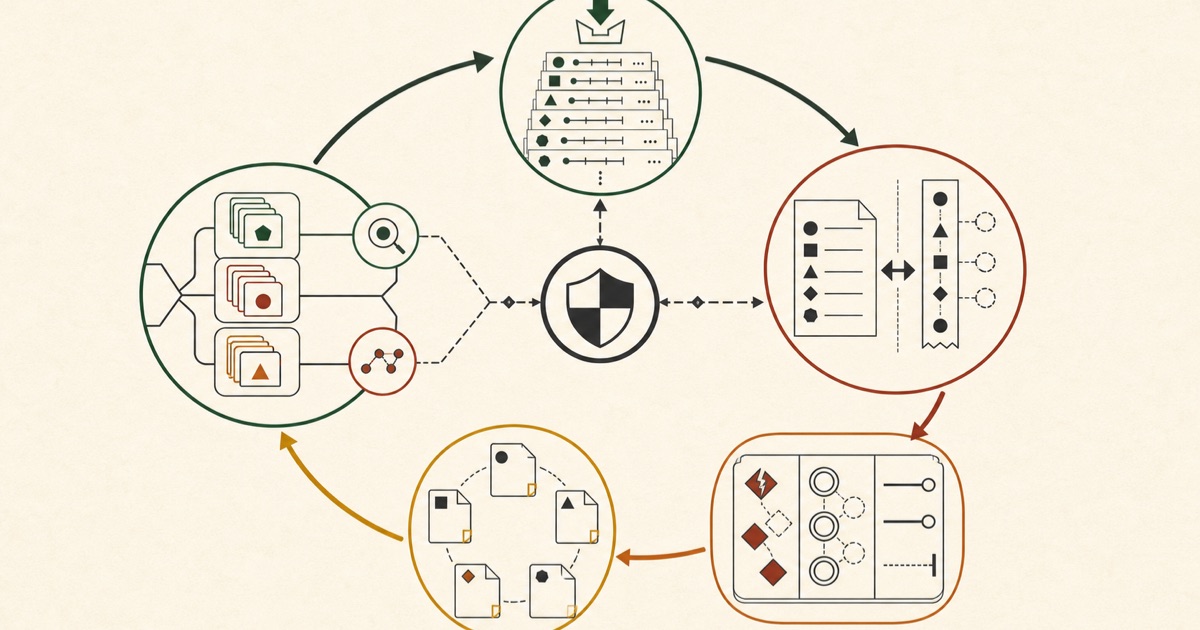
Build an AI Agent Evaluation Flywheel That Improves Prompts
A five-stage evaluation flywheel for turning AI agent traces into evidence-backed prompt improvements, without treating final answers as the whole story.
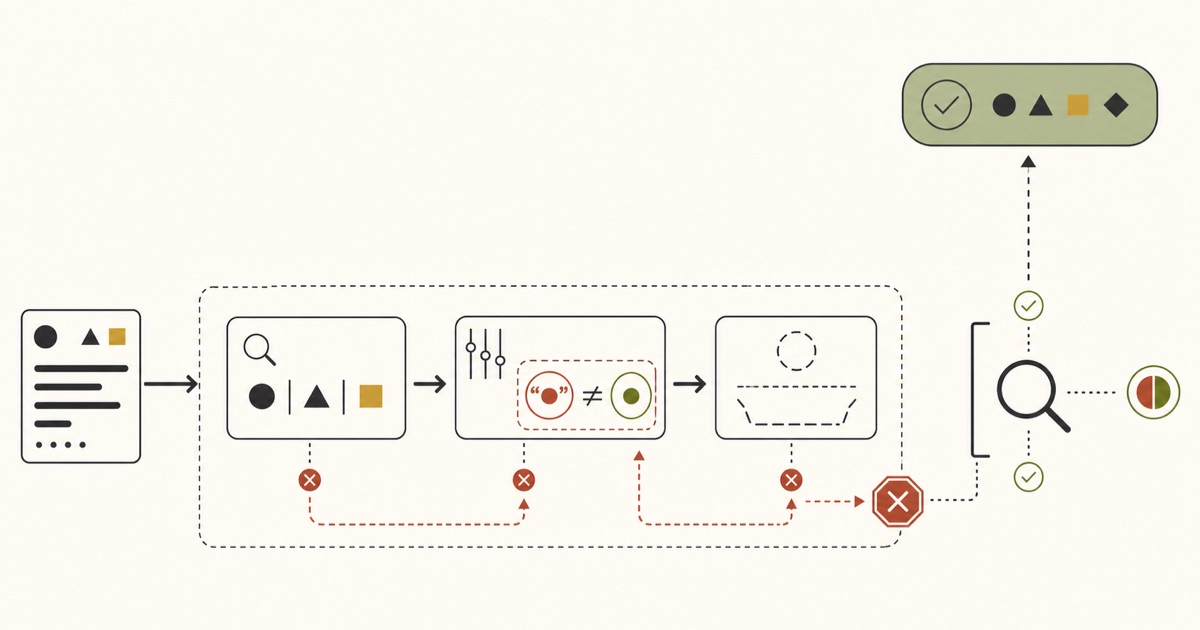
Why Final-Answer Evals Leave AI Agent Failures Invisible
A correct final response can hide failed tool calls, broken constraints, and bad state changes. Learn why AI agent evaluation must score the full trajectory.

TurboVec: What This Rust Vector Index Is and How to Evaluate It
TurboVec is a Rust-based vector index with Python bindings built on TurboQuant. This article explains what the project claims to be, where vector compression fits, and what developers should verify before adopting it.

Context Engineering for AI Agents: Memory, Retrieval, and Token Budgets
A practical framework for developers building AI agents that need the right context at the right time—without drowning the model in stale history, irrelevant documents, or runaway token costs.

Building Intelligent Conversational Agents with LangGraph: A Tutorial Guide
Creating sophisticated conversational agents requires more than just a powerful language model. You need a framework that can manage complex conversational flows, maintain context, and handle decision-making with elegance. Enter LangGraph, a powerful toolkit built on top of LangChain that enables developers to create state-aware, multi-step reasoning systems with remarkable ease. Why LangGraph Matters? Traditional…